
The Allure of Risk and Reward
The psychology behind gambling is deeply intertwined with the allure of risk and reward. For many individuals, the prospect of winning a significant amount can trigger an exhilarating rush that is difficult to resist. This phenomenon is closely related to the brain’s reward system; the anticipation of a win releases dopamine, a neurotransmitter that plays a key role in pleasure and motivation. Gamblers often find themselves chasing this high, seeking to replicate the euphoric sensations they felt during previous wins, and many enjoy playing the best online pokies that can lead to longer and more frequent visits to casinos.
This relentless pursuit of reward is a fundamental aspect of human psychology. The thrill associated with taking risks can create a sense of vibrancy and excitement, particularly in a casino environment designed to amplify these feelings. The bright lights, the sounds of coins spilling, and the palpable energy from fellow players contribute to an atmosphere that encourages continued play. Gamblers may experience a sense of camaraderie with others around them while simultaneously grappling with their own internal conflicts, attempting to strike a balance between entertainment and the looming risk of loss.
Ultimately, the interplay of risk and reward taps into a psychological concept known as variable reinforcement. Unlike fixed schedules of reinforcement, where rewards are predictable, variable reinforcement introduces an element of uncertainty and hope that keeps gamblers engaged. As players repeatedly engage with games of chance, they may find themselves becoming more emotionally and financially invested than they initially intended, creating a cycle that can be challenging to escape.
The Role of Cognitive Biases
Cognitive biases play a significant role in shaping gambler behavior, often leading to irrational decisions. One of the most common biases is the illusion of control, where individuals mistakenly believe they can influence the outcomes of random events, such as rolling dice or pulling the lever on a slot machine. This erroneous belief fosters the notion that certain skills or strategies can ensure success, driving players to wager more frequently and dangerously. The psychological impact of this bias is substantial, as it leads gamblers to disregard the unfavorable odds they face.
Another prevalent cognitive bias is the gambler’s fallacy, which suggests that past events influence future outcomes in games of chance. For instance, if a roulette wheel lands on red multiple times in succession, a player may feel that black is “due” to hit. This flawed reasoning can lead players to make illogical bets based on their perception of trends, rather than recognizing that each event in a fair game is independent. Such cognitive distortions not only perpetuate myths about gambling but also contribute to the potential for compulsive gambling behaviors.
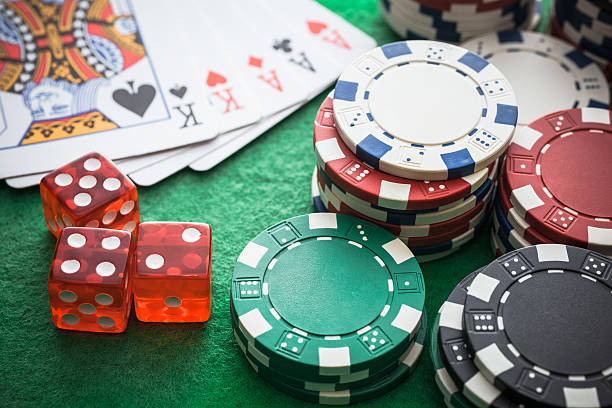
These cognitive distortions can lead to a skewed perception of personal experiences, where gamblers may focus on their wins while downplaying their losses. Over time, this misrepresentation can foster compulsive gambling habits and exacerbate addiction. Understanding these cognitive biases is crucial for both gamblers and those who support them; recognizing these patterns can be an essential step in addressing gambling addiction and making informed decisions about gambling activities.
The Impact of Environment and Design
The environment and design of casinos significantly influence the psychology of gamblers. The architecture, layout, and decor are meticulously designed to promote extended engagement. Many casinos intentionally lack windows and clocks, creating a disorienting sense of timelessness that encourages players to lose track of time. This deliberate design choice can lead to prolonged gambling sessions, as players become so engrossed in the activity that they neglect their surroundings and personal responsibilities.
Sensory elements also play a critical role in enhancing the gambling experience. The sounds of slot machines chiming, the cheers of winners, and the ambiance of lively music all contribute to a captivating atmosphere that keeps players entertained and engaged. Additionally, the provision of free drinks and complimentary services caters to the psychological need for indulgence, making it easier for gamblers to justify their behavior without the immediate pressure of financial consequences. Such tactics are deliberately employed to create an environment that fosters continued gambling.
This strategic design fosters a setting where players feel both comfortable and excited, often leading to increased spending and time spent on the casino floor. Furthermore, casinos frequently implement loyalty programs and rewards systems, deepening the psychological connection between gamblers and the establishment. These factors not only enhance the overall gambling experience but also solidify player loyalty, creating a feedback loop that can lead to habitual gambling behavior.
Understanding Gambling Addiction
Gambling addiction is a multifaceted issue influenced by various psychological, emotional, and social elements. Individuals may develop unhealthy gambling habits as a means of escaping stress, trauma, or the challenges of daily life. What begins as a thrilling and enjoyable pastime can quickly spiral into a compulsion, where the act of placing bets becomes a coping mechanism for dealing with negative emotions. This shift often results in escalating financial strain and damaged personal relationships, as individuals prioritize gambling over other critical areas of their lives.
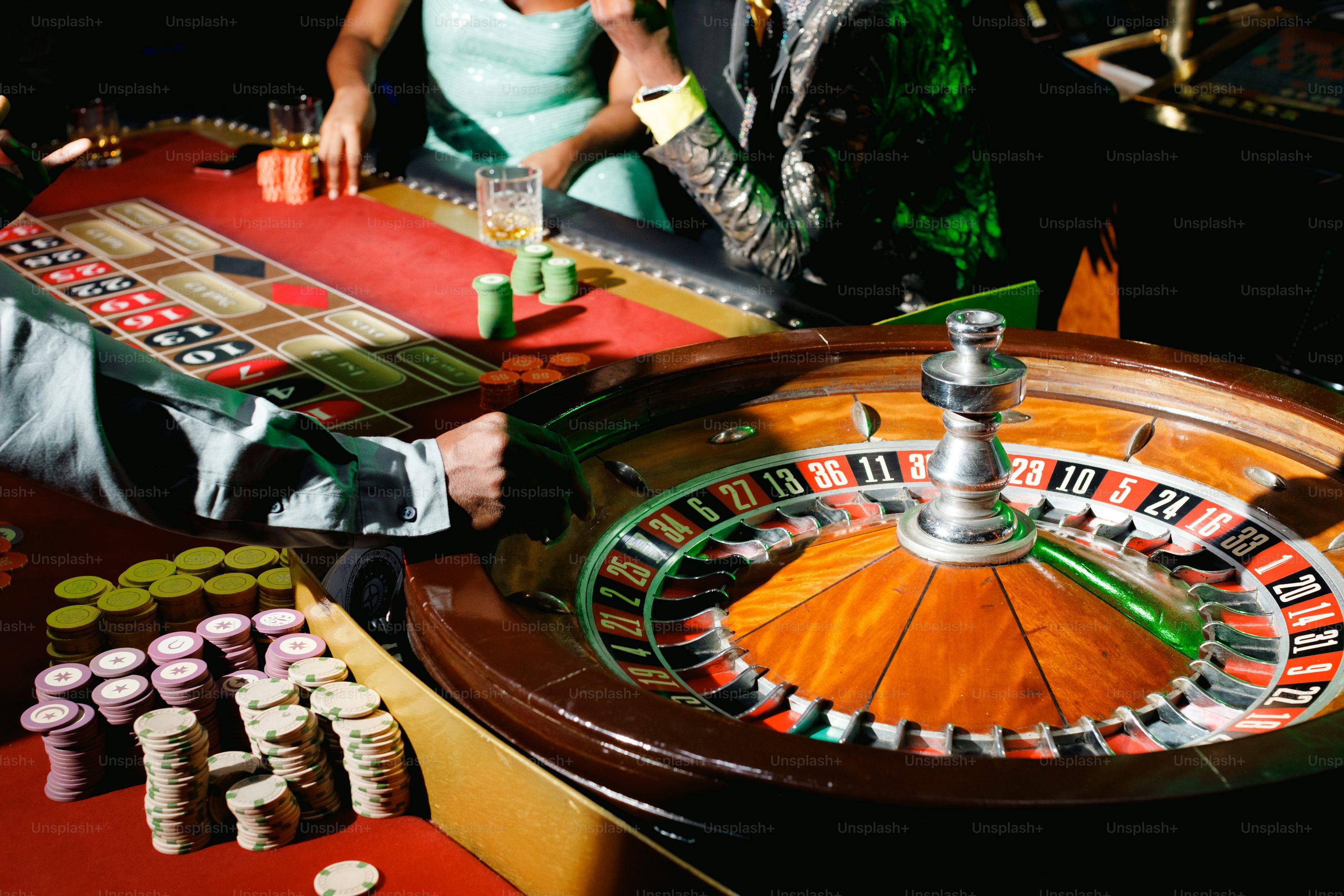
Recognizing the signs of gambling addiction is essential for early intervention and support. Common indicators include an obsessive preoccupation with gambling, unsuccessful attempts to curtail gambling behavior, and deceptive practices regarding gambling habits. The emotional toll of gambling addiction can manifest in various ways, including increased anxiety, deepened depression, and pervasive feelings of guilt and shame. Understanding these psychological and emotional dynamics is vital for developing effective treatment strategies, such as cognitive behavioral therapy, which targets the underlying cognitive biases that contribute to gambling behavior.
Support from family and friends is crucial in the journey to combat gambling addiction. Open and honest discussions about the issue can facilitate healthier coping mechanisms and foster accountability. Additionally, professional support groups provide a sense of community and shared understanding for those affected by gambling addiction, emphasizing that they are not alone in their struggle. Ultimately, grasping the psychological foundations of gambling addiction is essential for raising awareness and implementing effective recovery strategies.
Your Resource for Gambling Insights
This website serves as a comprehensive resource for understanding the intricate psychology of gambling and its broader implications. By offering in-depth articles and insightful analysis, it aims to shed light on the complex dynamics at play within casinos and the minds of gamblers. Whether you are a casual observer, a frequent gambler, or someone seeking to support a loved one, this platform provides valuable information to navigate the intricacies of gambling behavior.
Our content is designed to educate readers about the psychological factors that influence gambling decisions and highlight the potential risks involved. By raising awareness of cognitive biases, environmental influences, and the signs of addiction, we empower individuals to make informed choices regarding their gambling activities. This website is committed to promoting responsible gambling practices and ensuring that readers have access to the knowledge they need to approach gambling with caution and mindfulness.
We believe that a deeper understanding of the psychology behind gambling can lead to healthier behaviors and foster informed discussions about the challenges associated with gambling. Join us in exploring this fascinating topic as we unravel the complexities of human behavior and the allure of games of chance. Together, we can cultivate a more informed and responsible approach to gambling in today’s society.